A practical introduction to producing flexible, detailed components from two-part liquid silicone rubber.
Liquid silicone rubber is used for flexible components that need durability, temperature resistance or fine detail. Unlike thermoplastics, which are melted and then cooled, liquid silicone rubber is normally mixed from two components and cured in a heated mould.
What Is Liquid Silicone Rubber?
Liquid silicone rubber, commonly shortened to LSR, is supplied as two liquid components. A controlled dosing and mixing system combines them immediately before injection.
Heat in the mould activates curing and turns the liquid mixture into an elastic finished component.
This difference in material behaviour is central to understanding why liquid silicone rubber injection moulding requires specialist equipment and tooling arrangements.
How Does Liquid Silicone Rubber Injection Moulding Work?
Liquid silicone rubber injection moulding uses a controlled process to meter, mix, inject and cure the two material components. The correct material ratio, handling conditions and mould temperature are important to the finished component.
The Five Stages of LSR Injection Moulding
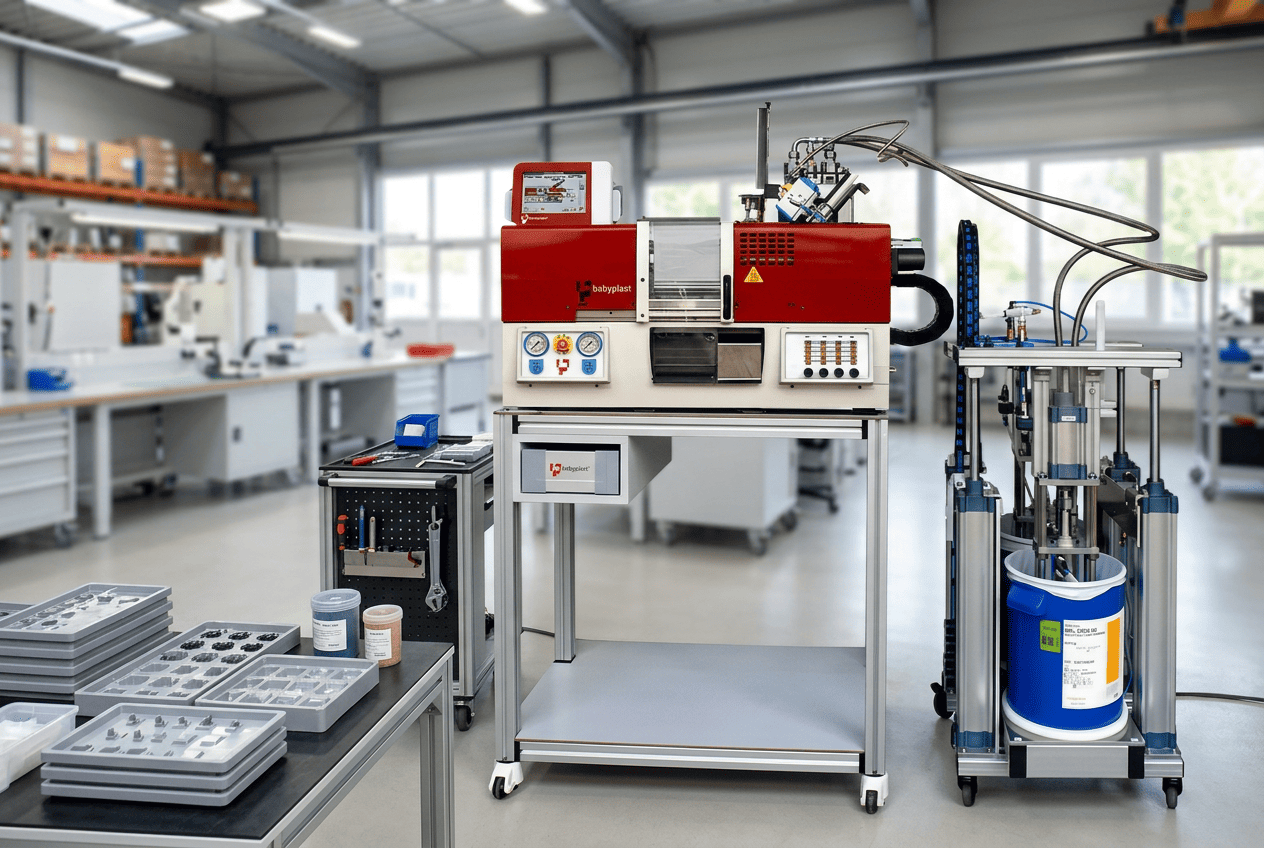
- Material supply: The two LSR components are supplied from cartridges, drums or another feeding arrangement.
- Controlled dosing: A metering system delivers the two components at the specified ratio.
- Material mixing: The components are mixed without introducing contamination or excessive air.
- Injection: The injection unit transfers the mixture into a heated mould.
- Curing and removal: The material cures inside the cavity and is then removed as a finished component.
The exact equipment configuration depends on the material supply format, component requirements and intended production process.
What Components Can Be Produced Using LSR Injection Moulding?
Liquid silicone rubber can be considered for components that require flexible material properties, temperature resistance or intricate moulded features.
Examples of LSR injection moulding applications include:
- Seals and gaskets: Flexible sealing components used in suitable assemblies.
- Diaphragms and membranes: Components that require detailed flexible features.
- Medical and pharmaceutical components: Specialist parts where an appropriate silicone grade and manufacturing process are required.
- Electrical components: Electrical insulation and connector seals.
- Flexible valves: Small valve elements and other flexible components.
- Automotive and consumer components: Parts requiring suitable heat or weather resistance.
The final application must be considered alongside the material grade, component design and relevant production requirements.
How Is LSR Injection Moulding Different from Thermoplastic Injection Moulding?
Although both processes use injection moulding equipment and tooling, liquid silicone rubber and thermoplastic materials behave differently during production.
Thermoplastic Injection Moulding
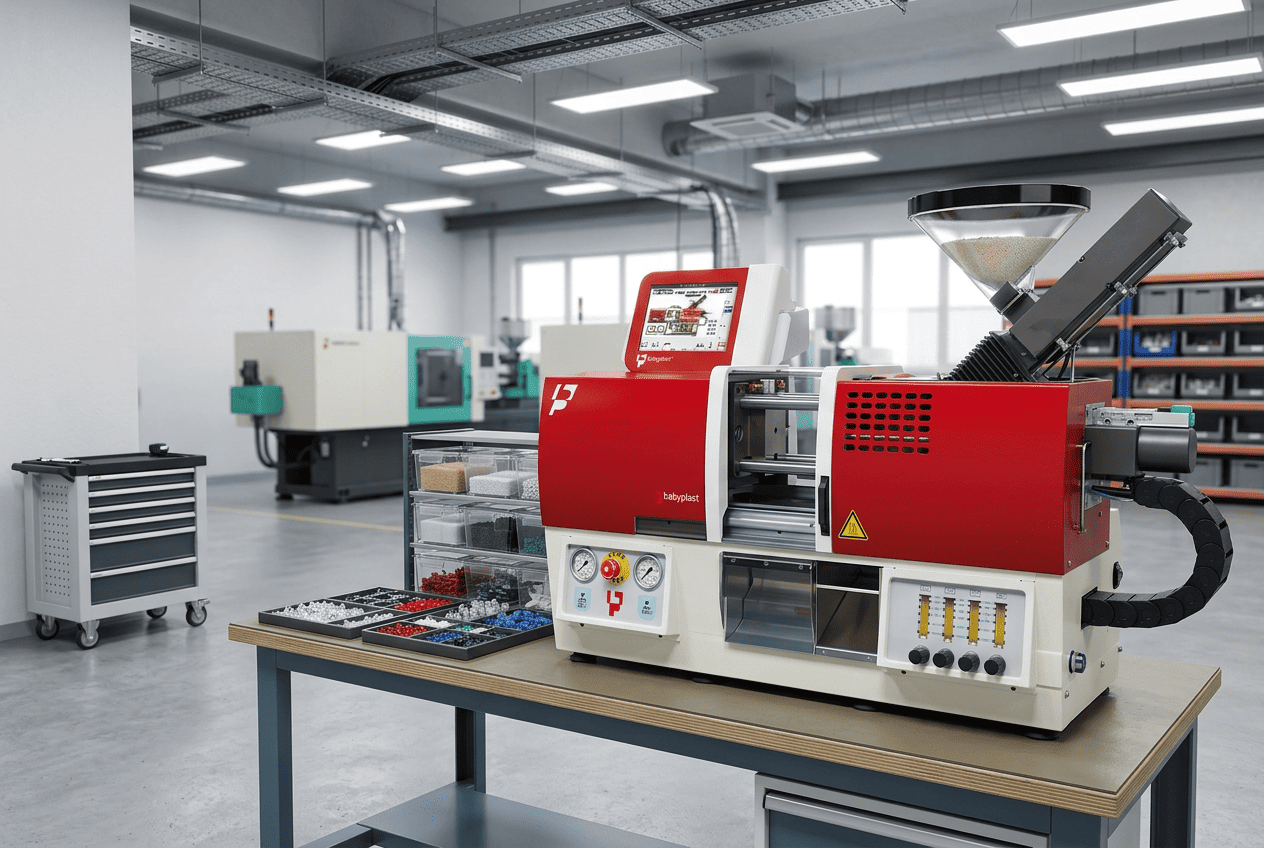
In conventional thermoplastic injection moulding, the material is heated in the injection unit before being injected into the mould. The component then cools in the tool until it can be removed.
Liquid Silicone Rubber Injection Moulding
In LSR injection moulding, the two material components are combined under controlled conditions before injection. The material is then cured by heat within the mould.
As a result, the temperature strategy, feed equipment, nozzle design, sealing and cleaning requirements differ from those used for thermoplastic moulding.
These differences must be considered when selecting a machine and designing the production process.
Why Is Mould Design Important for Liquid Silicone Rubber?
The properties of uncured liquid silicone rubber create specific requirements for mould design, filling and curing.
Uncured LSR has low viscosity and can enter very small gaps. Accurate parting lines, controlled venting and appropriate shut-offs are therefore important for limiting flash.
Controlling Flash and Material Flow
Tooling must be designed to manage the flow of liquid silicone rubber into the intended cavity while limiting unwanted material movement into gaps between mould surfaces.
Parting-line accuracy, venting and shut-off design are important considerations.
Maintaining Consistent Mould Temperature
Tool temperature must be sufficiently even to provide reliable curing throughout the component.
Temperature control is therefore an important part of the moulding process and should be considered alongside the component geometry and material requirements.
Managing Material Mixing and Trapped Air
The feed and mixing system should minimise trapped air and maintain the correct component ratio.
Process settings need to balance filling, curing time and part removal without damaging fine component features.
How Do You Choose an LSR Injection Moulding Machine?
Selecting a liquid silicone rubber injection moulding system requires an assessment of both the component and the complete production cell.
Important considerations include:
- Component volume: The material volume required for the finished part and moulding process.
- Material supply: The format in which the two liquid silicone rubber components are supplied.
- Clamping force: The force required for the selected tooling and moulding application.
- Tool layout: The arrangement needed for filling, curing and removing the component.
- Production rate: The intended manufacturing output and associated cycle requirements.
- Part handling: Whether automation is required to remove or handle flexible cured components consistently.
Automation may be necessary because cured silicone components can be flexible and difficult to eject or handle consistently.
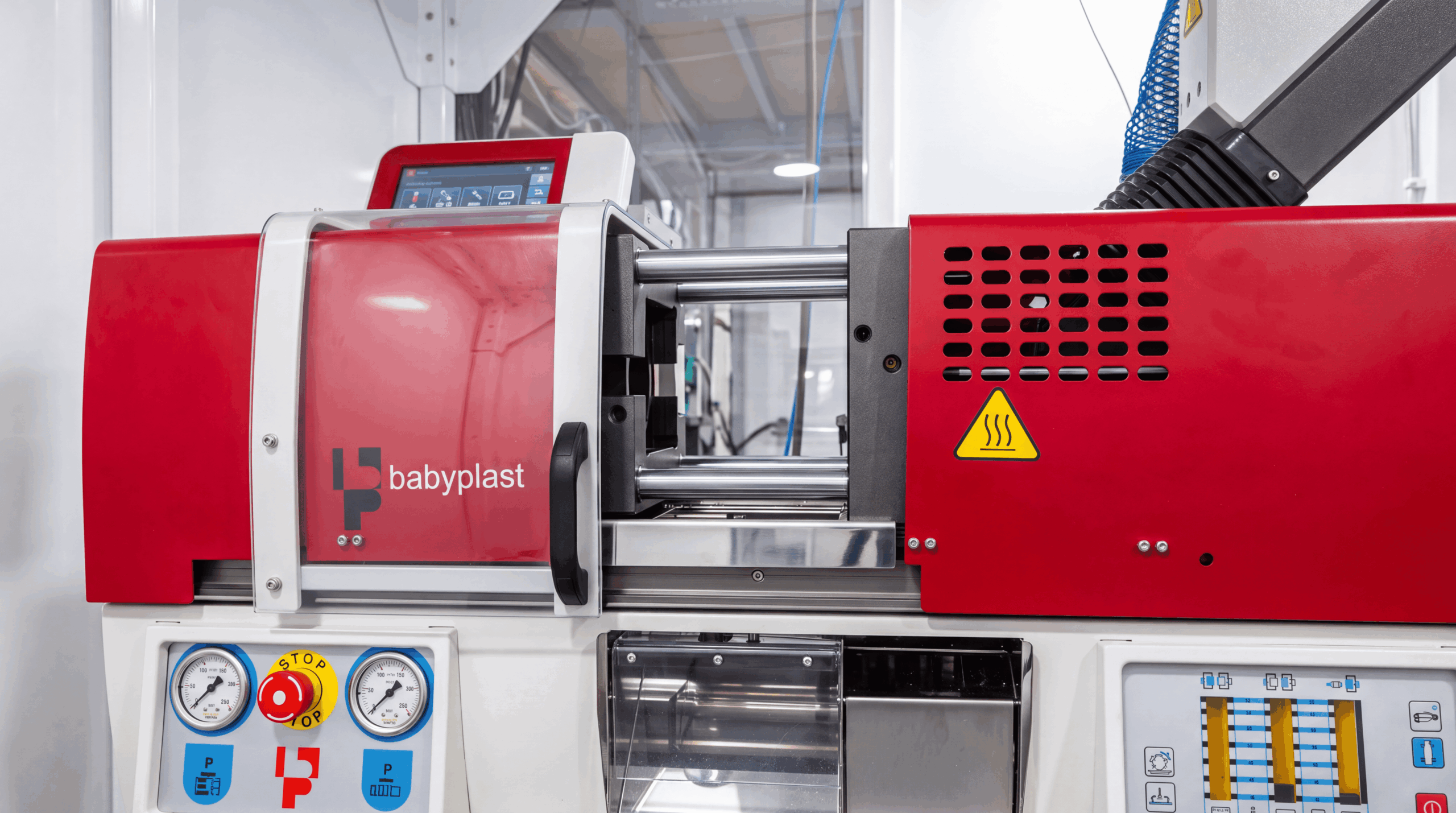
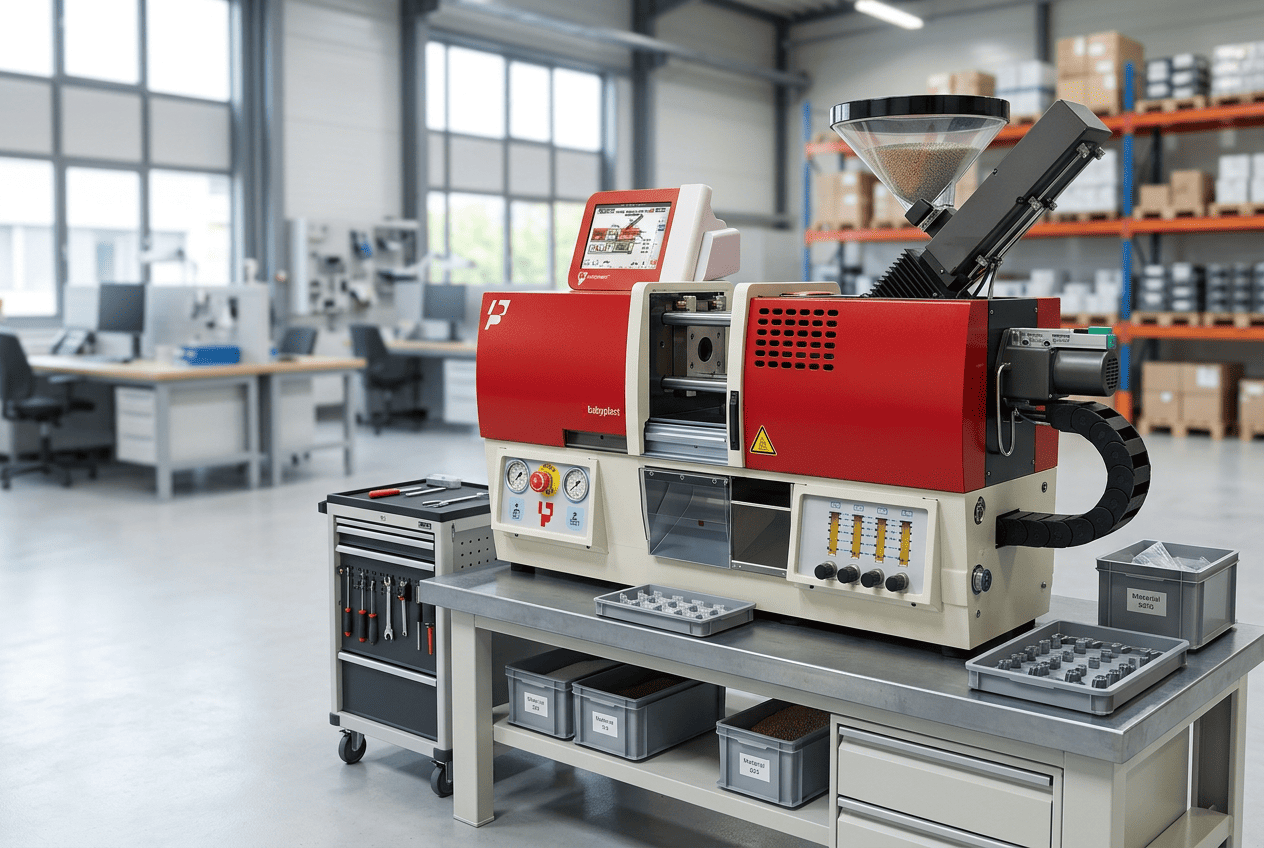
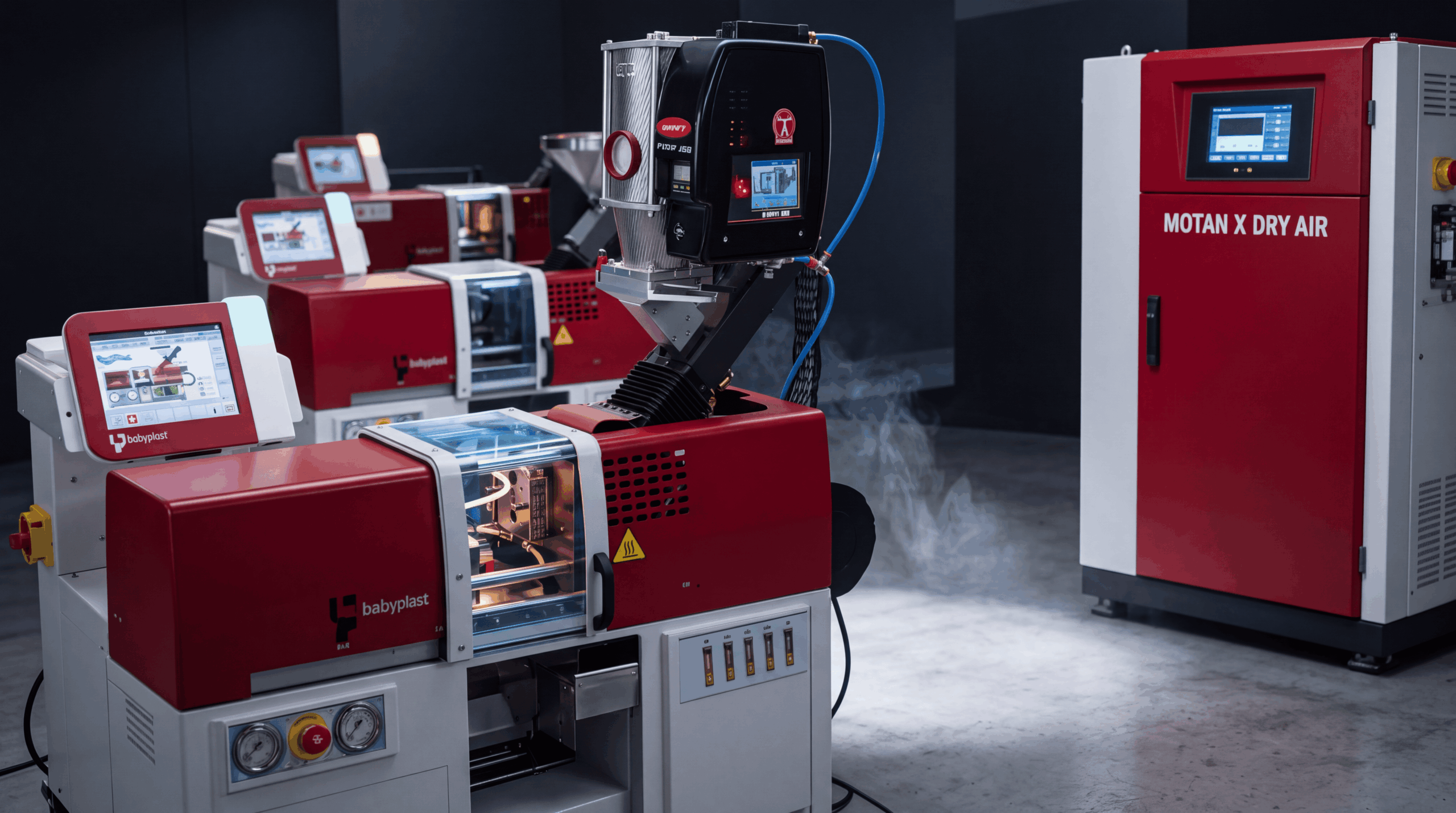
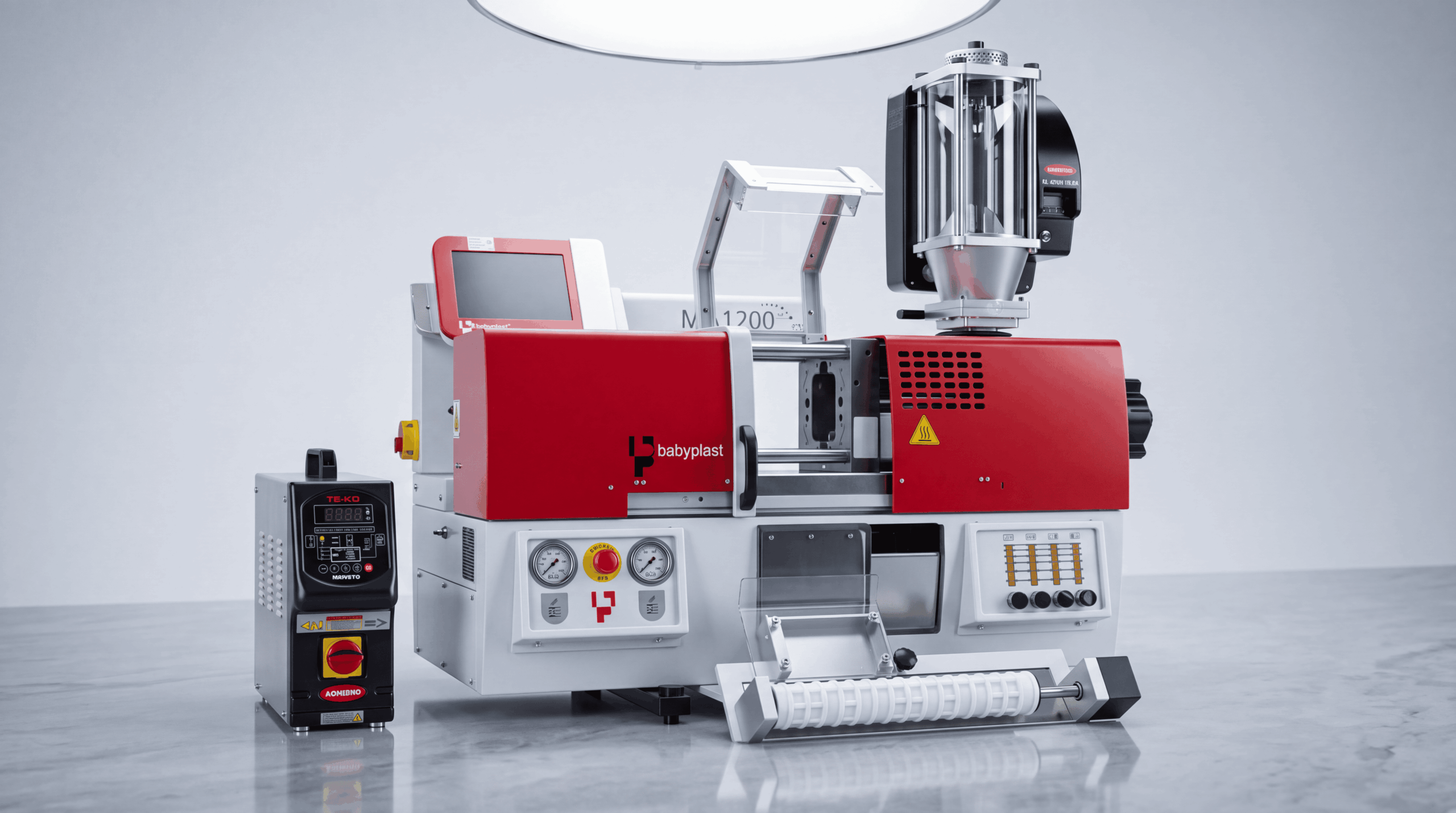
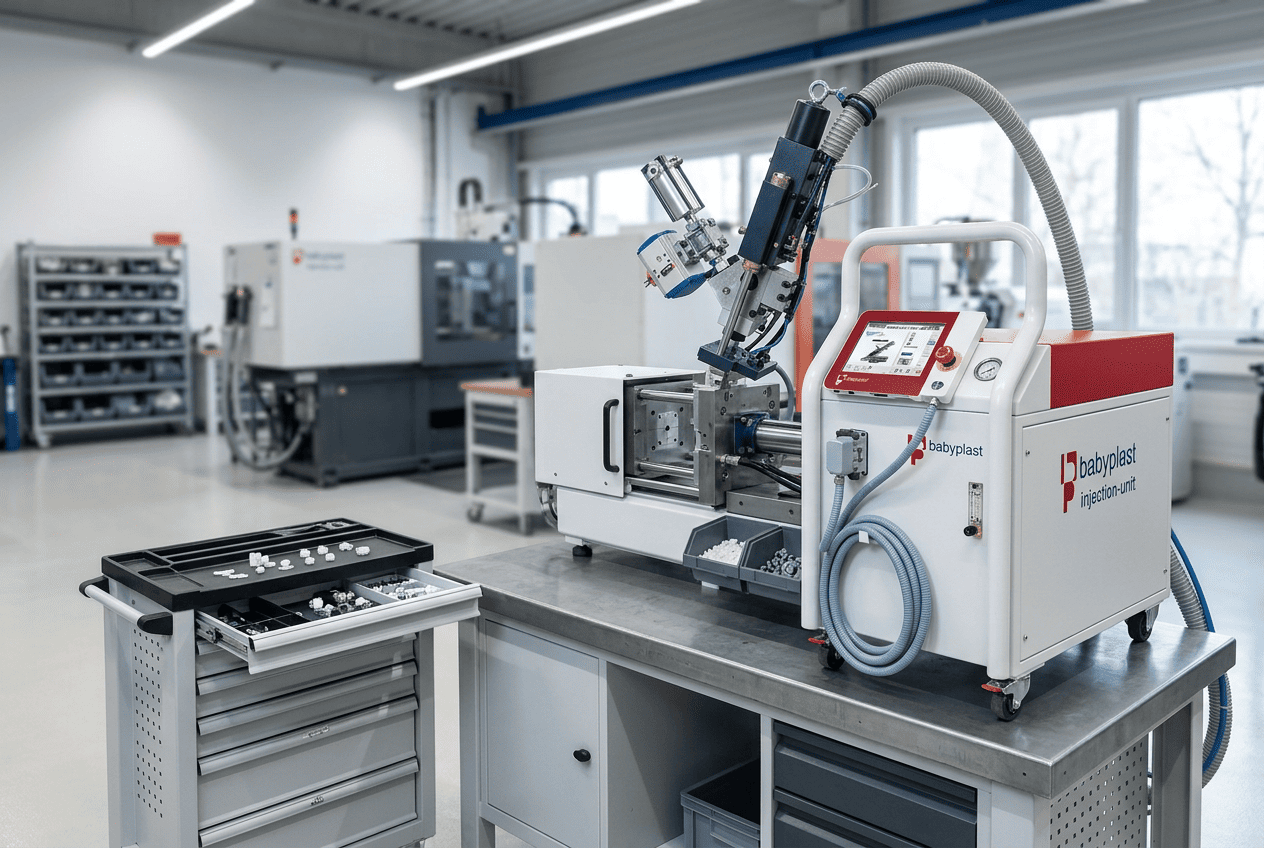
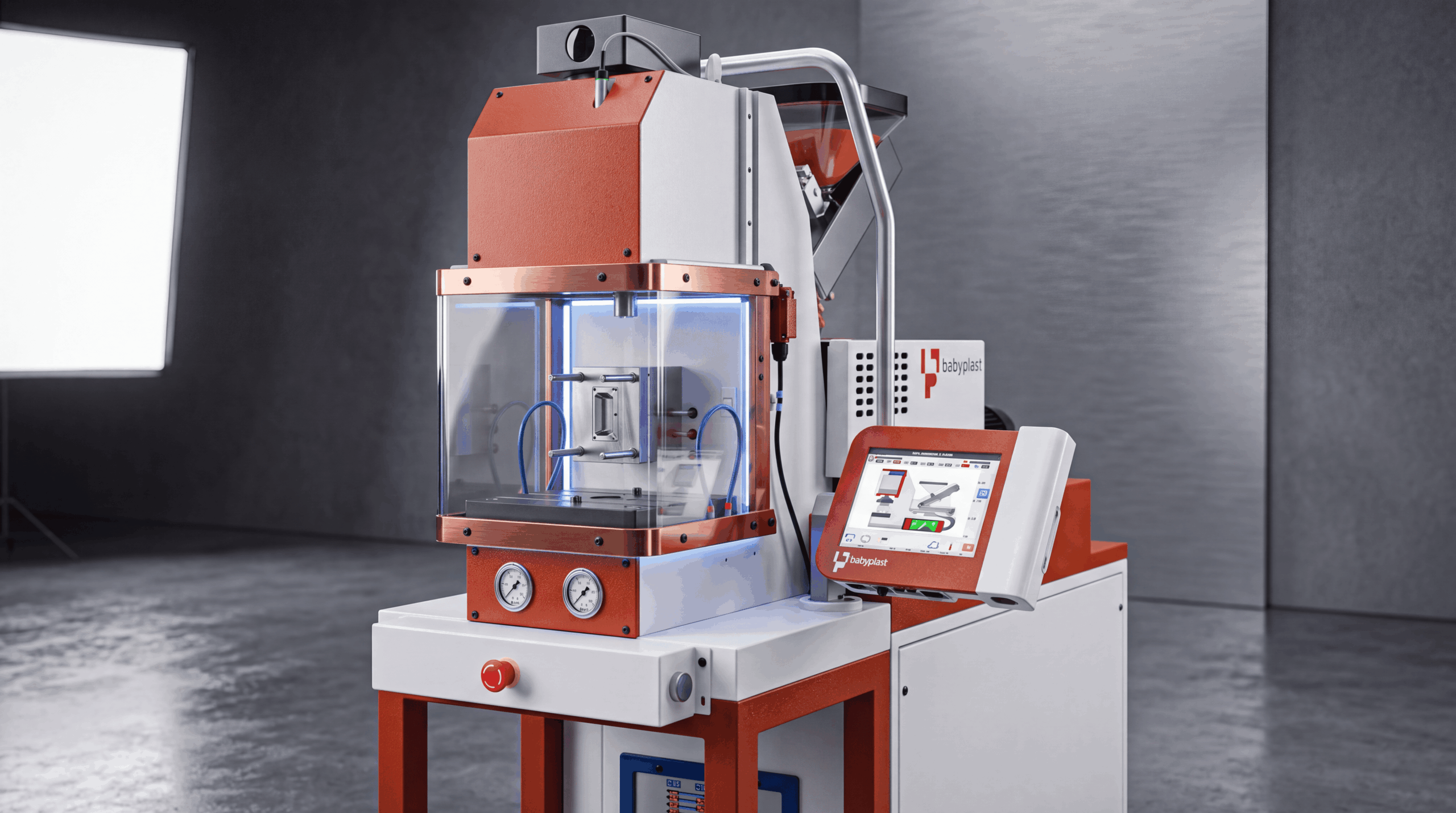
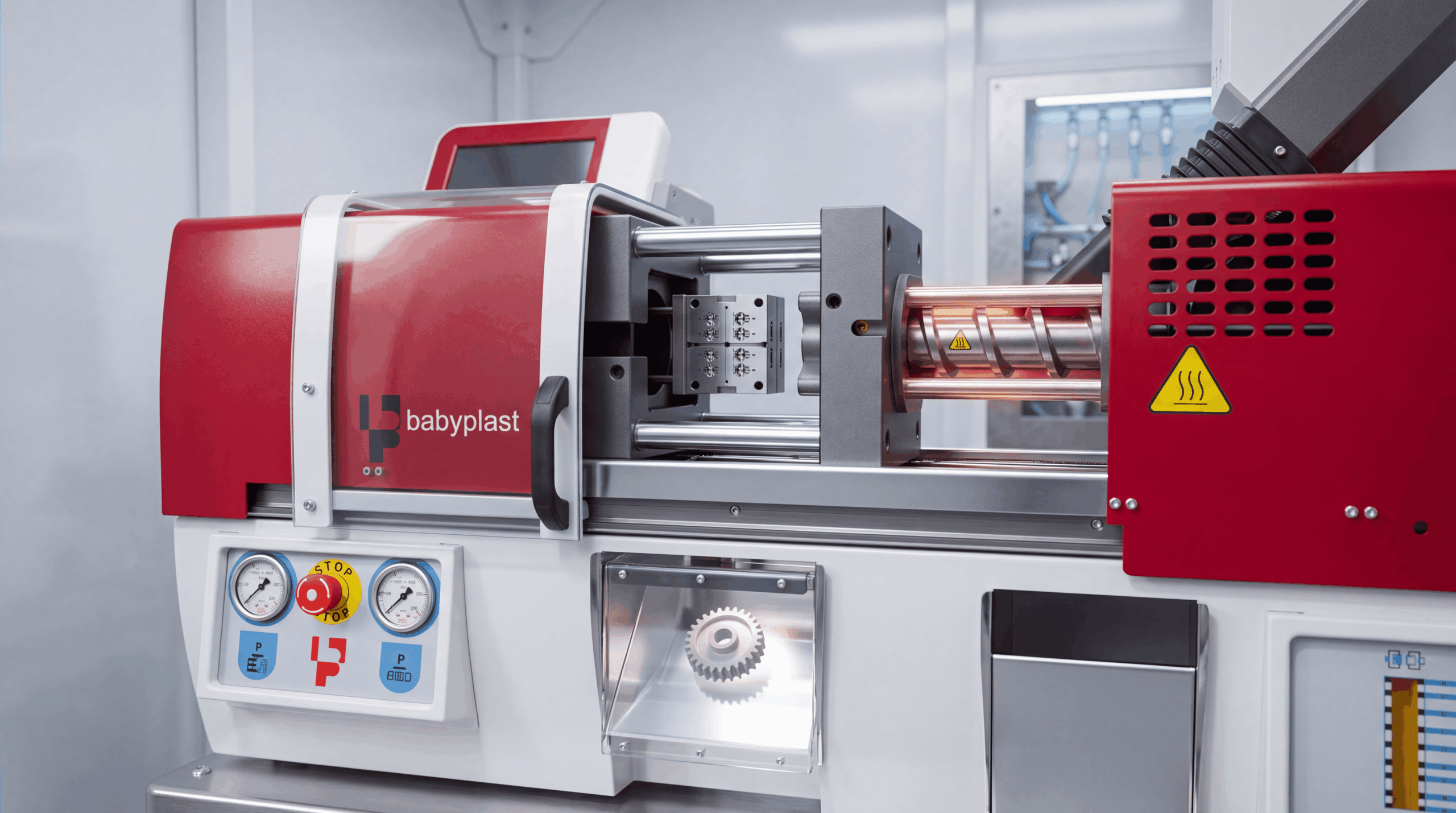
Compact Liquid Silicone Rubber Injection Moulding with Babyplast
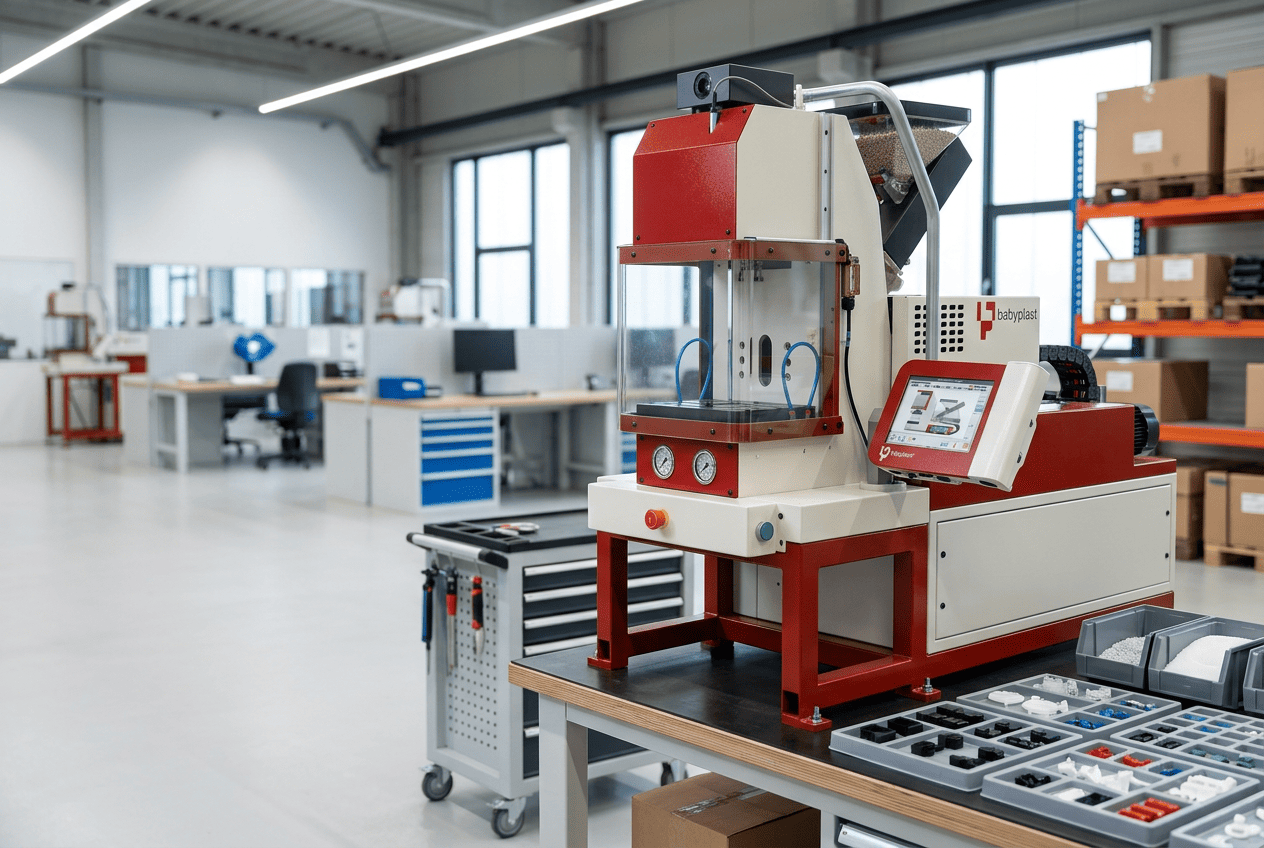
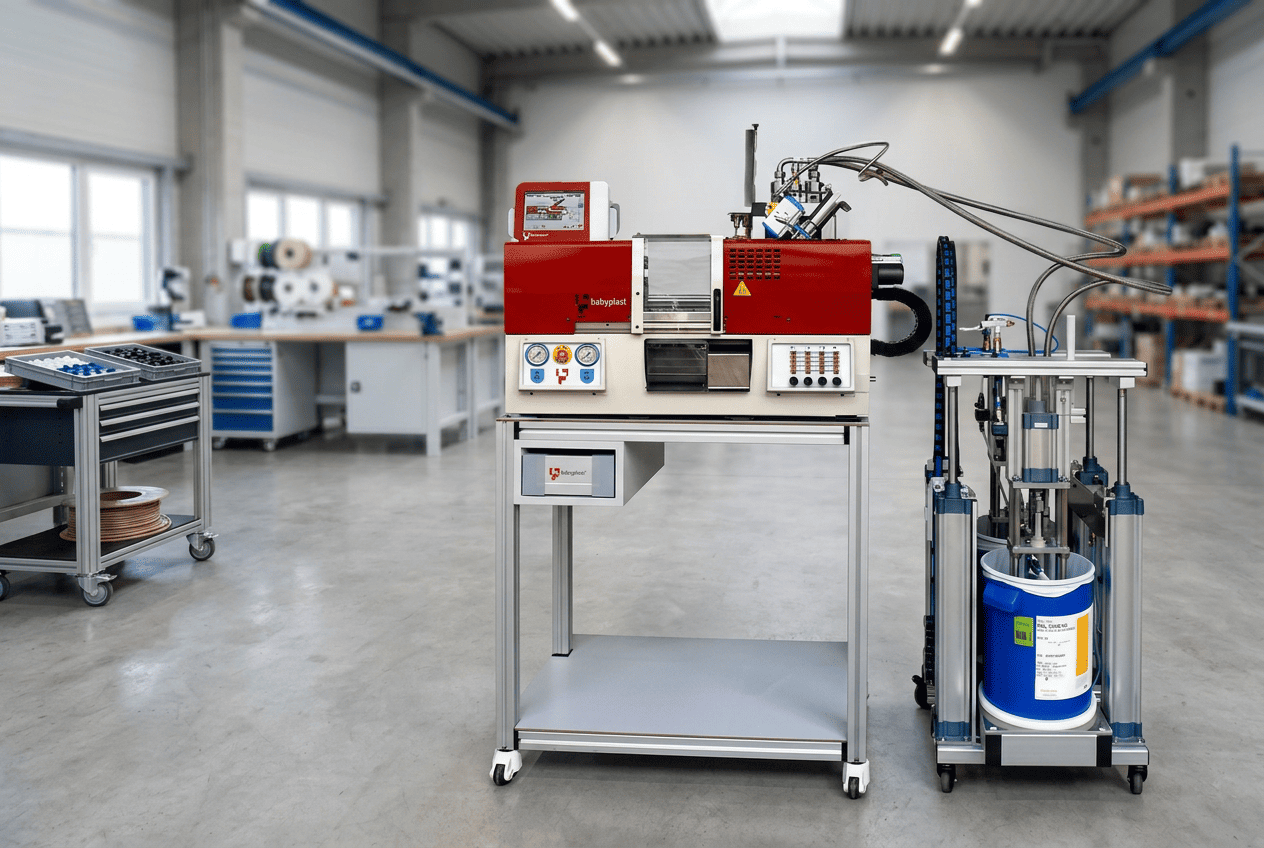
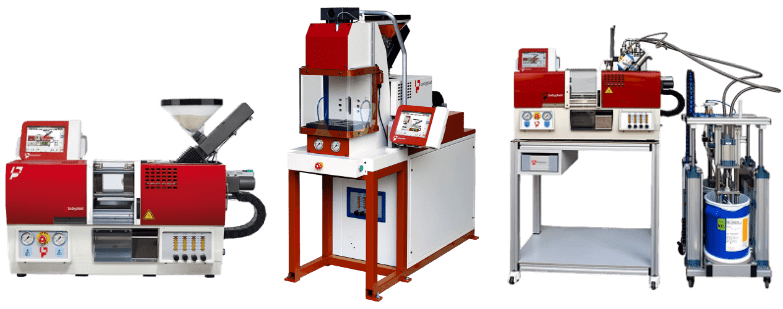
Babyplast UK offers dedicated 6/12 and 10/12 LSR machines, as well as a UAI LSR secondary injection unit.
The available configurations support small precision parts and different material supply arrangements.
Choosing the appropriate equipment involves assessing the component, material supply method, tooling and intended production requirements.
A production trial can confirm filling, curing, flash control and handling before a system is selected.
Explore the Babyplast 6/12 LSR injection moulding machine range to learn more about the available equipment for small precision silicone components.