Comparing two useful manufacturing routes for prototypes, development batches and repeat production.
Both 3D printing and micro injection moulding can produce small, complex components. They solve different manufacturing problems, however, and the right choice depends on development stage, material, quantity, geometry and required part performance.
Micro Injection Moulding vs 3D Printing: What Is the Difference?
Micro injection moulding and 3D printing are manufacturing processes used to produce small components, but they use different methods and have different production requirements.
3D printing builds components directly from digital geometry without requiring a dedicated injection mould. Micro injection moulding uses a precision mould tool into which a controlled quantity of material is injected.
Both processes can be suitable for small-part manufacturing. The most appropriate method depends on the component design, intended quantity, material requirements and stage of product development.
How Does 3D Printing Work?
3D printing builds a component directly from digital geometry, usually layer by layer.
The process can produce prototypes without a dedicated injection mould and allows designs to change quickly during development.
Different 3D printing technologies offer different materials, resolutions and surface finishes. The appropriate technology depends on the part geometry and the properties required from the printed component.
How Does Micro Injection Moulding Work?
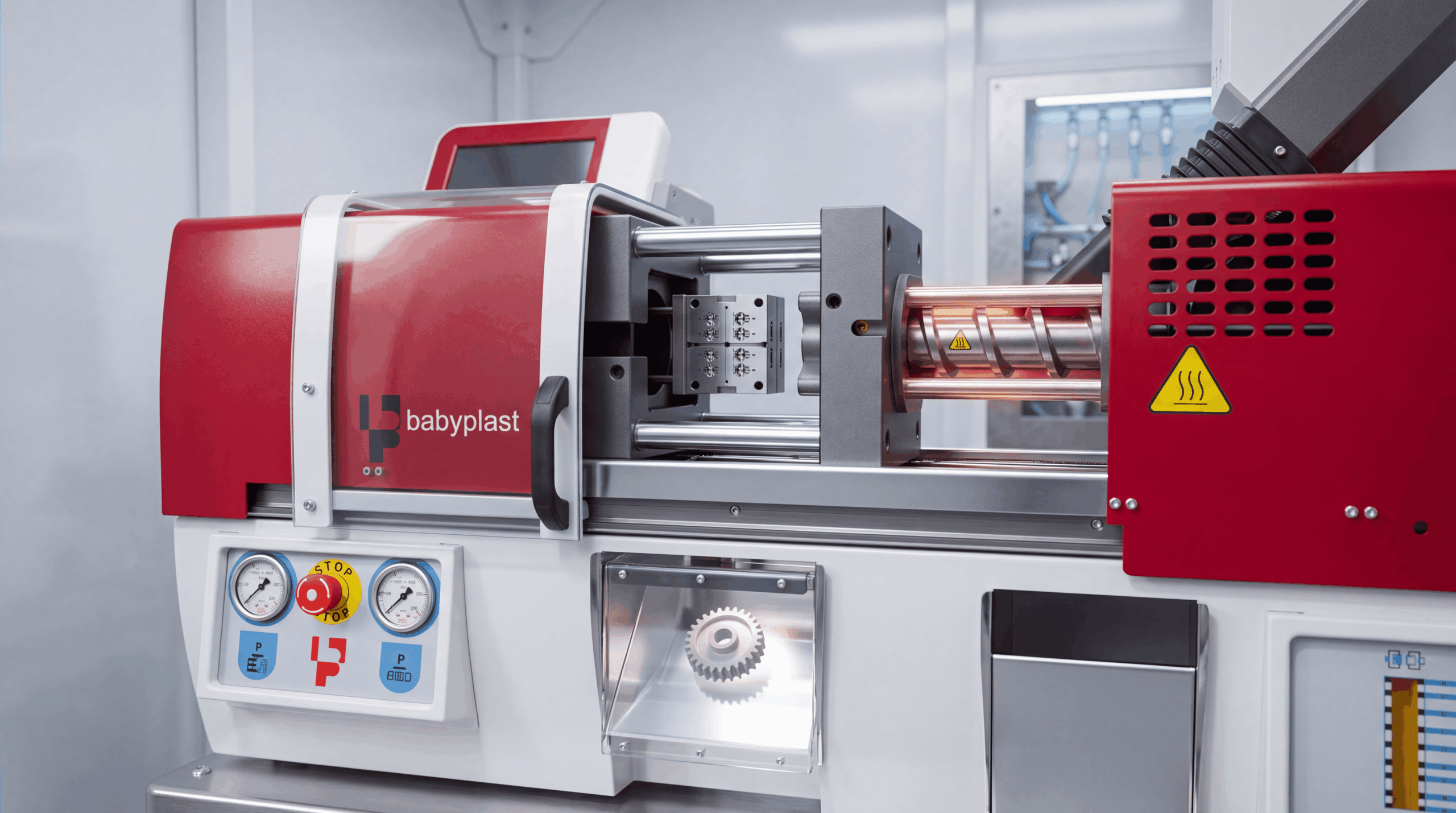
Micro injection moulding injects a controlled quantity of material into a precision tool to produce small, detailed components.
The process requires dedicated tooling, but once established it can produce repeatable components with moulded surfaces, defined material properties and short automated cycles.
Equipment, tooling and processing conditions must be matched to the component and material to achieve the intended production results.
When Is 3D Printing the Better Choice?
3D printing can be particularly useful during the early stages of product development, when designs are still being evaluated or modified.
Applications where 3D printing may be suitable include:
- Early design evaluation: Assessing component geometry and making rapid design changes.
- One-off components: Producing individual parts or extremely small quantities.
- Complex geometries: Manufacturing shapes that suit additive manufacturing methods.
- Initial development: Producing parts when production material properties and final surface finish are not yet essential.
The absence of a dedicated injection mould can make 3D printing a practical option when designs are changing frequently.
When Is Micro Injection Moulding the Better Choice?
Micro injection moulding becomes particularly relevant when a component design has been developed and repeat production is being considered.
Applications where micro injection moulding may be suitable include:
- Repeat production: Manufacturing quantities that justify investment in a mould tool.
- Specified materials: Producing parts that require the properties of a particular moulding-grade material.
- Dimensional repeatability: Applications where consistent dimensions and production cycles are important.
- Surface finish: Components requiring a defined moulded surface.
- Specialist moulding processes: Applications involving insert moulding, overmoulding or multi-shot production.
- Production economics: Situations where reducing the cost per part becomes important as production volume increases.
Whether micro injection moulding is the better option depends on the component, tooling requirements, material and intended production quantity.
Tooling Cost vs Part Cost: Which Process Is More Economical?
One of the main differences between 3D printing and micro injection moulding is how the manufacturing costs are distributed.
3D Printing Costs
3D printing normally avoids the initial cost of a dedicated injection mould.
However, each printed component carries its own production time and material cost. These considerations become important when evaluating larger quantities or repeat manufacturing requirements.
Micro Injection Moulding Costs
Micro injection moulding requires investment in a mould tool before production begins.
Once the tooling and process are established, cycle-based production can make the cost per part more attractive as production quantities increase.
When Does Injection Moulding Become More Cost-Effective?
The crossover point between 3D printing and injection moulding is application-specific.
It depends on factors such as production quantity, tooling investment, material, component design and the manufacturing requirements of each process.
Neither method is automatically the lower-cost option for every small-part application.
Are 3D Printed Prototypes Representative of Injection Moulded Parts?
3D printed prototypes can be useful for confirming the size, fit and design intent of a component.
However, a printed part may not reproduce the same molecular orientation, surface characteristics, tolerances or mechanical behaviour as an injection-moulded production component.
Material Properties and Performance
The material and manufacturing method can influence the characteristics of a finished part.
Where component performance is important, testing should use representative material and process conditions.
Dimensional Accuracy and Surface Finish
Different 3D printing technologies produce different levels of resolution and surface finish.
Micro injection moulding uses precision tooling to establish the component geometry and moulded surface characteristics.
The required tolerances and surface finish should be considered when selecting a suitable process for development or production.
Can 3D Printing and Micro Injection Moulding Be Used Together?
3D printing and micro injection moulding are often complementary rather than competing manufacturing methods.
Each process can support a different stage of component development and production.
Using 3D Printing During Development
3D printing can accelerate early design iterations, helping teams evaluate component geometry before committing to production tooling.
It can also be used to produce fixtures and handling aids during the development process.
Moving to Micro Injection Moulding
Once the component design and material requirements have been established, micro injection moulding can be used to produce representative development parts, validation batches and ongoing production quantities.
This approach allows the manufacturing process to be assessed using the intended production material and moulding conditions.
How Do You Choose Between Micro Injection Moulding and 3D Printing?
The correct manufacturing method should be selected around the component and its intended use rather than the process alone.
Important considerations include:
- Production quantity: Whether the requirement is for a prototype, development batch or repeat production.
- Material requirements: The specified material and any relevant certification requirements.
- Dimensional tolerances: The accuracy and repeatability required from the finished component.
- Surface finish: The appearance and surface characteristics needed for the application.
- Component testing: Whether representative production materials and processes are needed for validation.
- Future demand: Whether production quantities are likely to increase.
Reviewing these requirements can help determine whether 3D printing, micro injection moulding or a combination of both processes is appropriate.
Choosing the Next Manufacturing Step with Babyplast UK
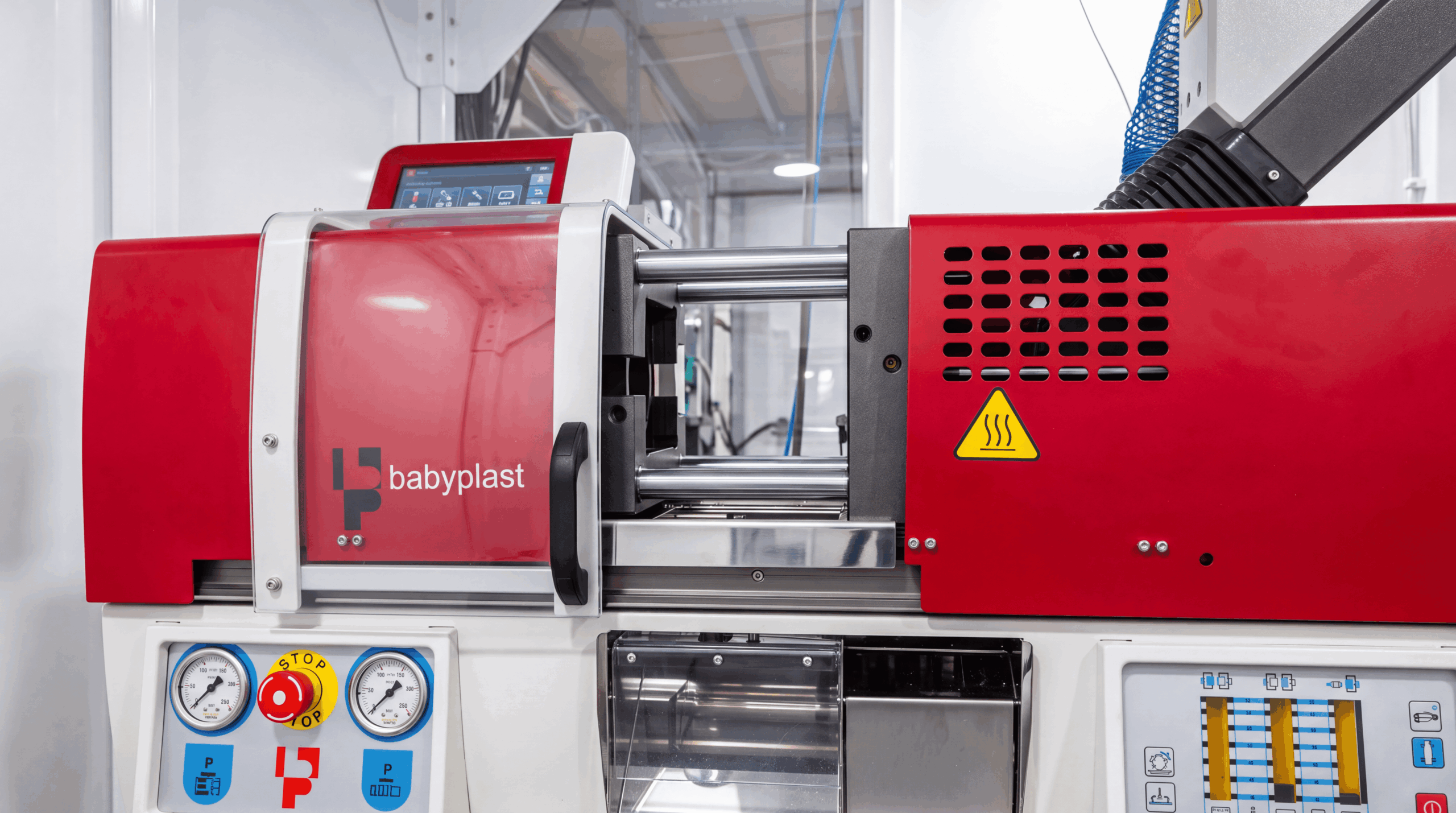
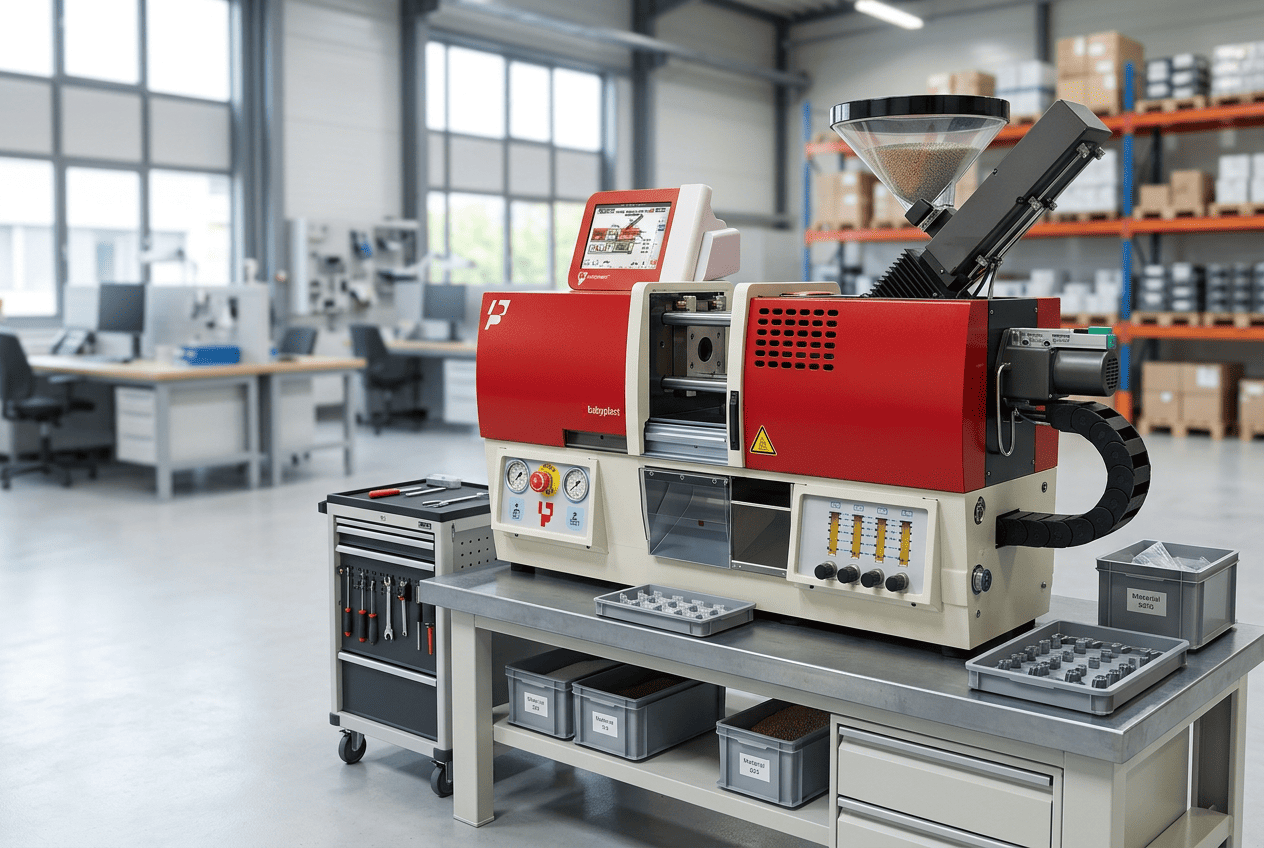
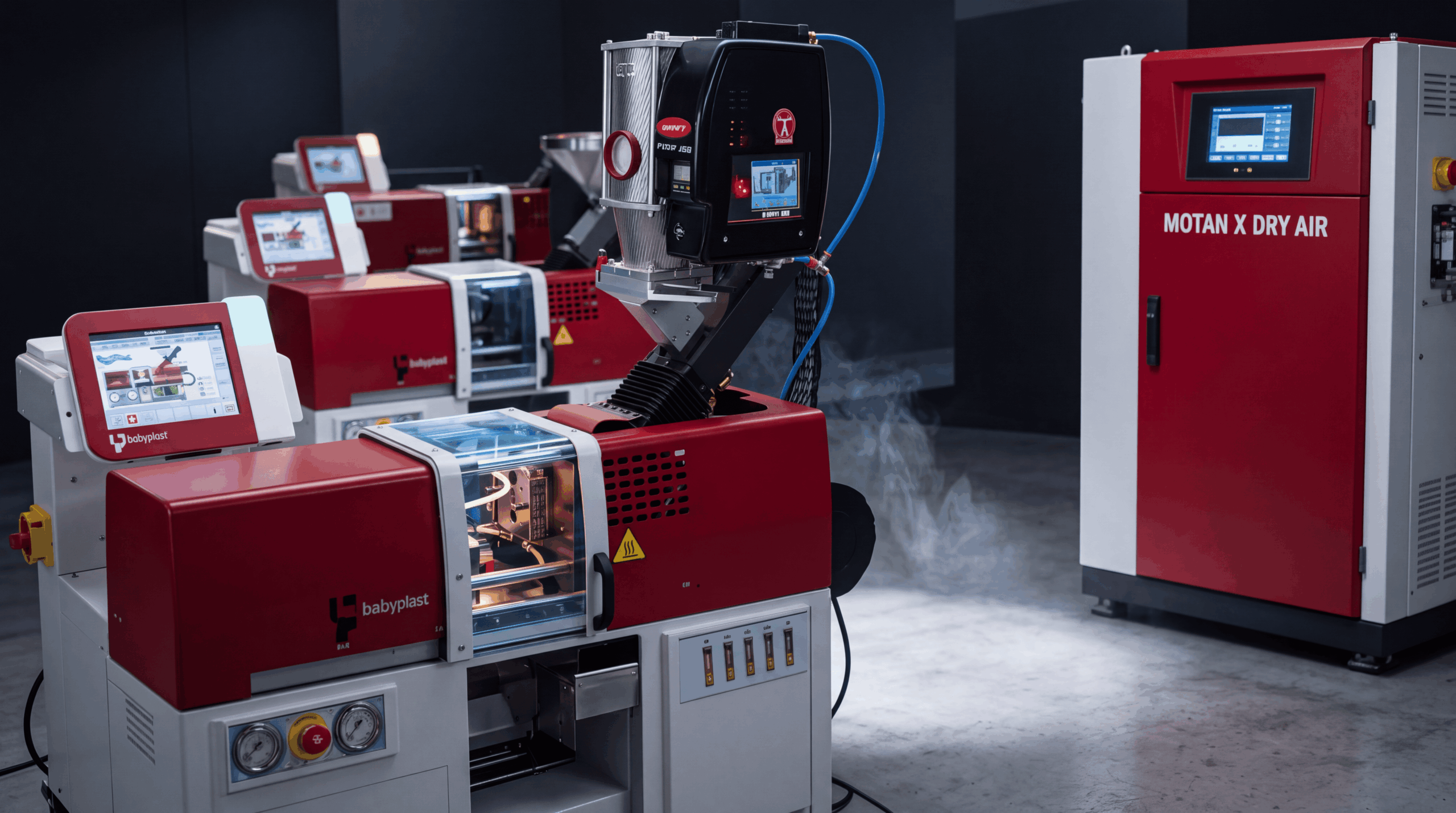
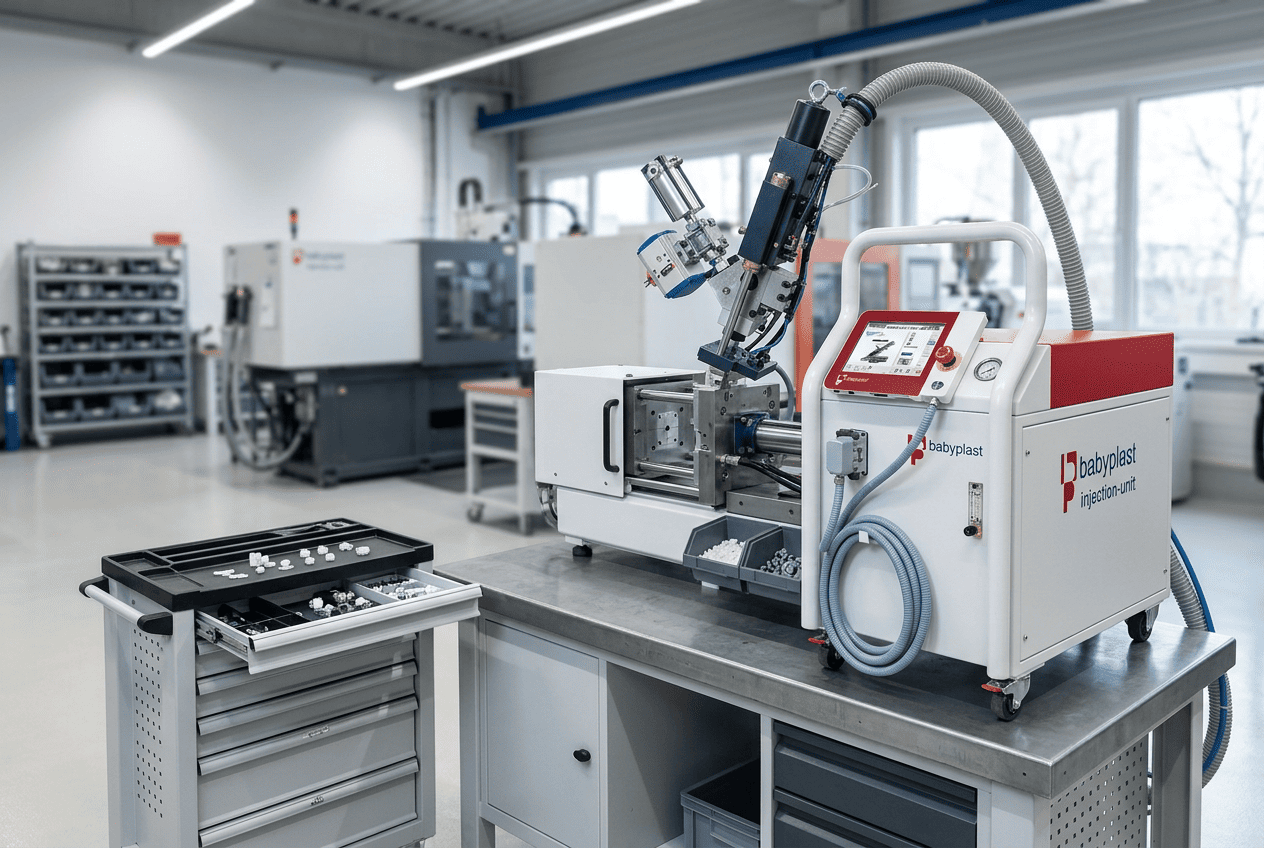
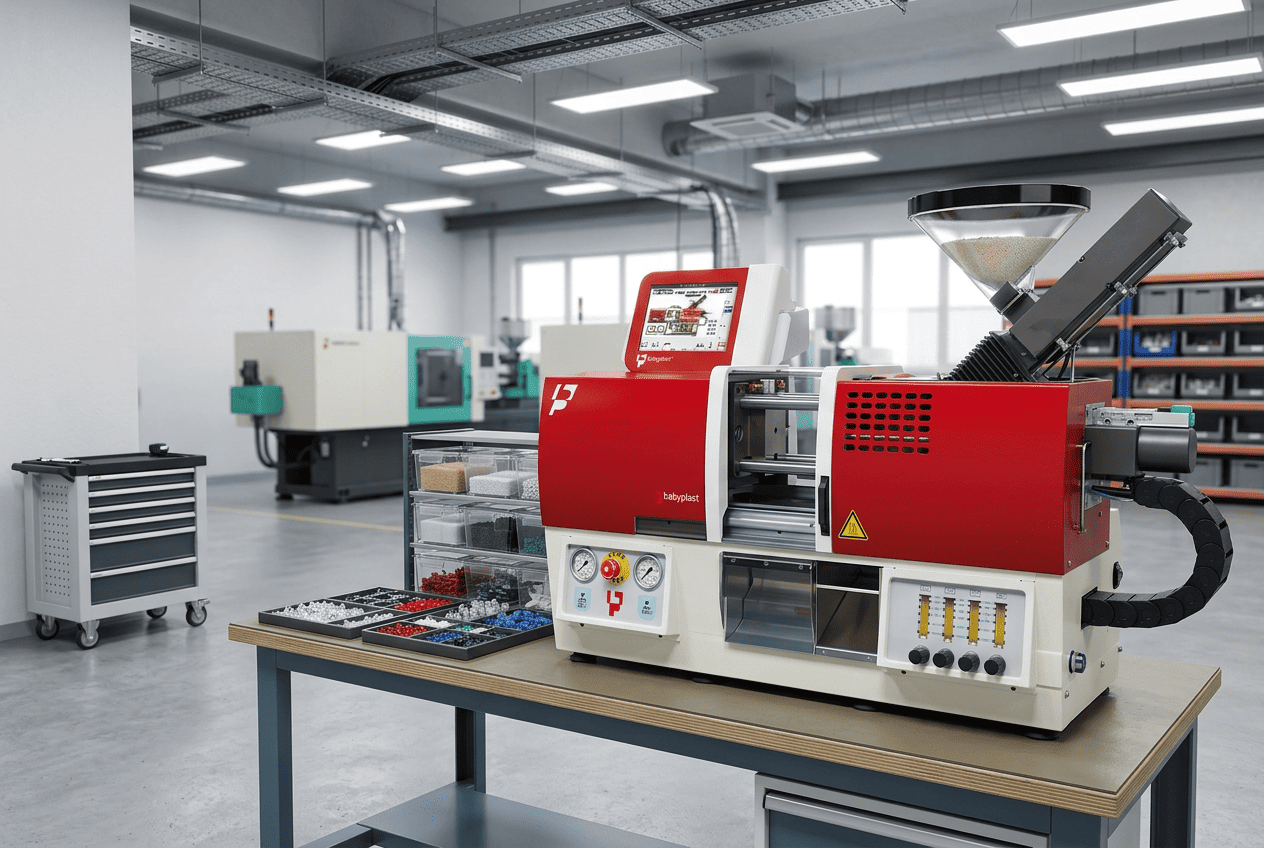
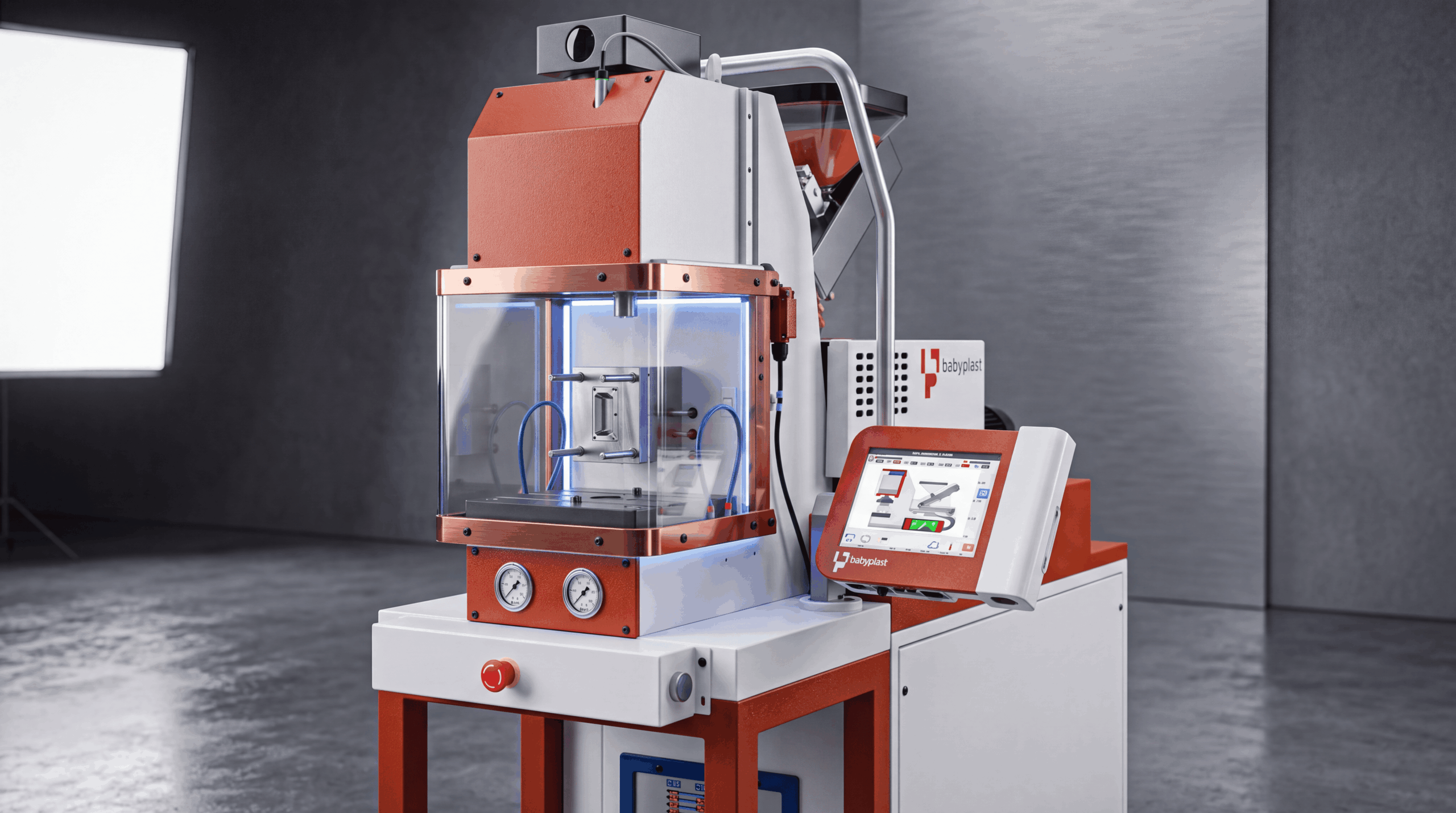
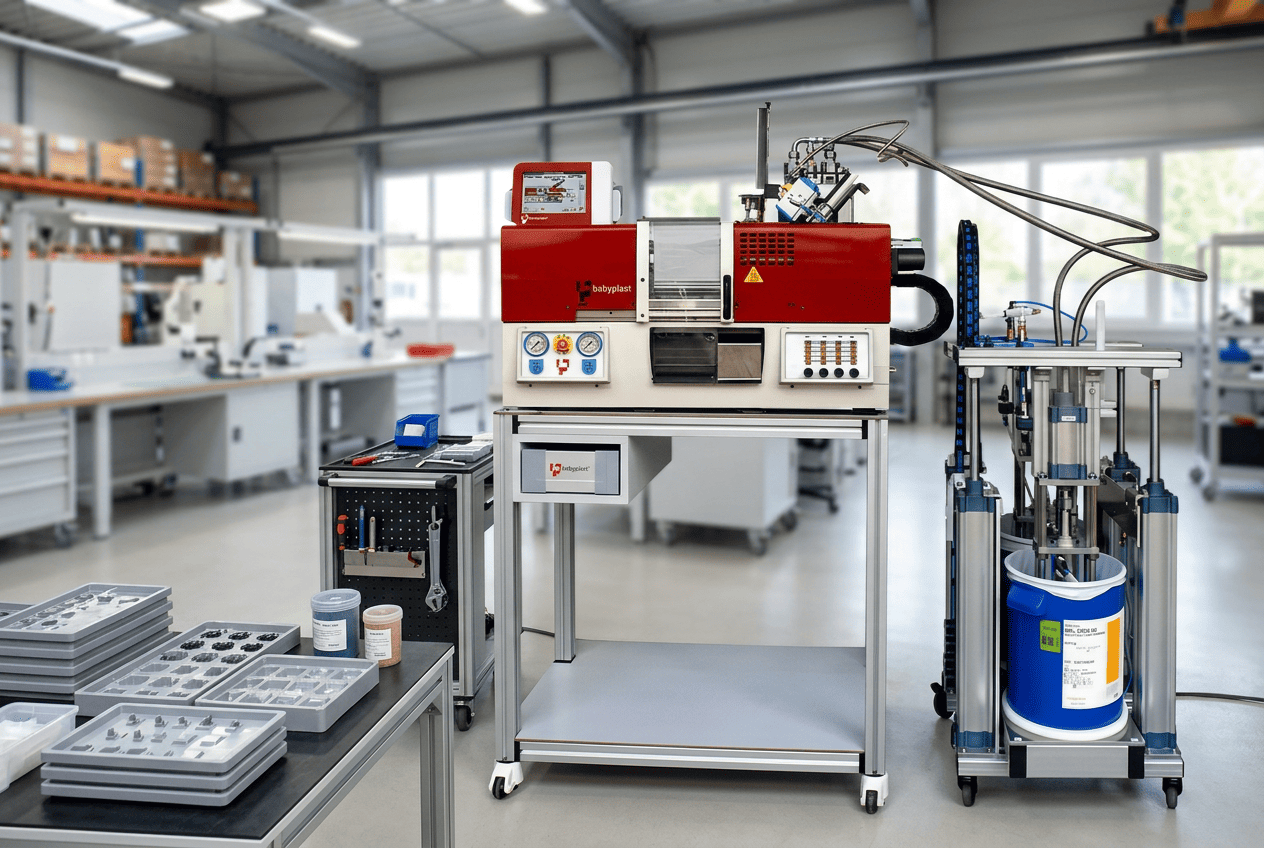
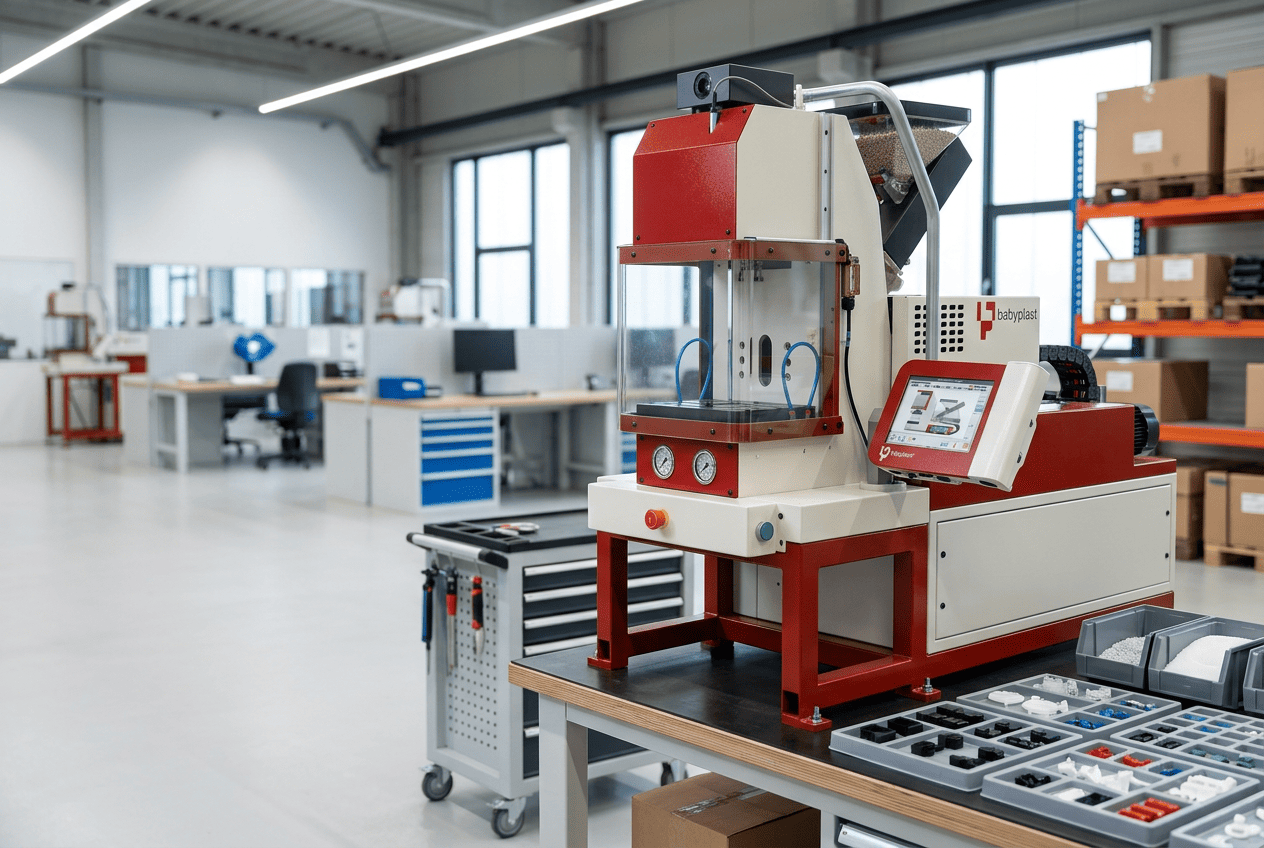
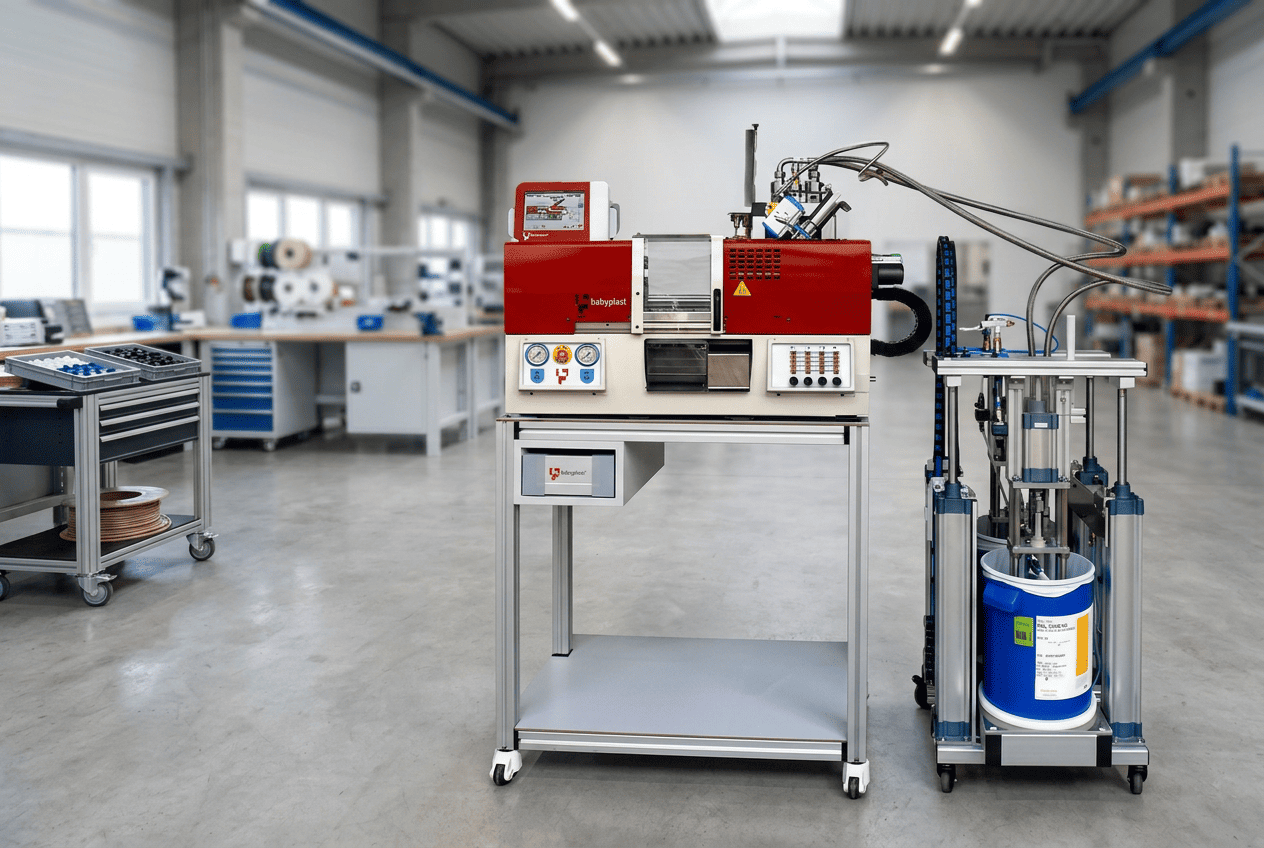
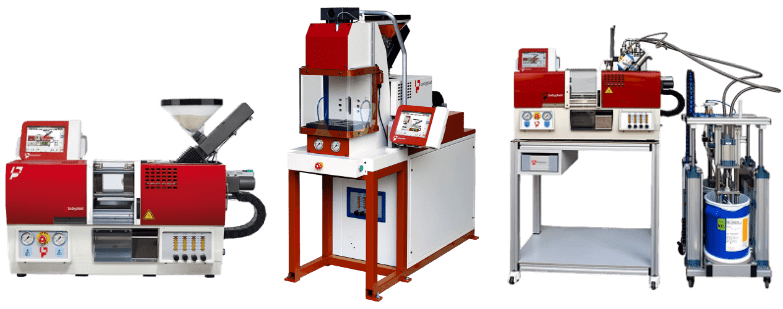
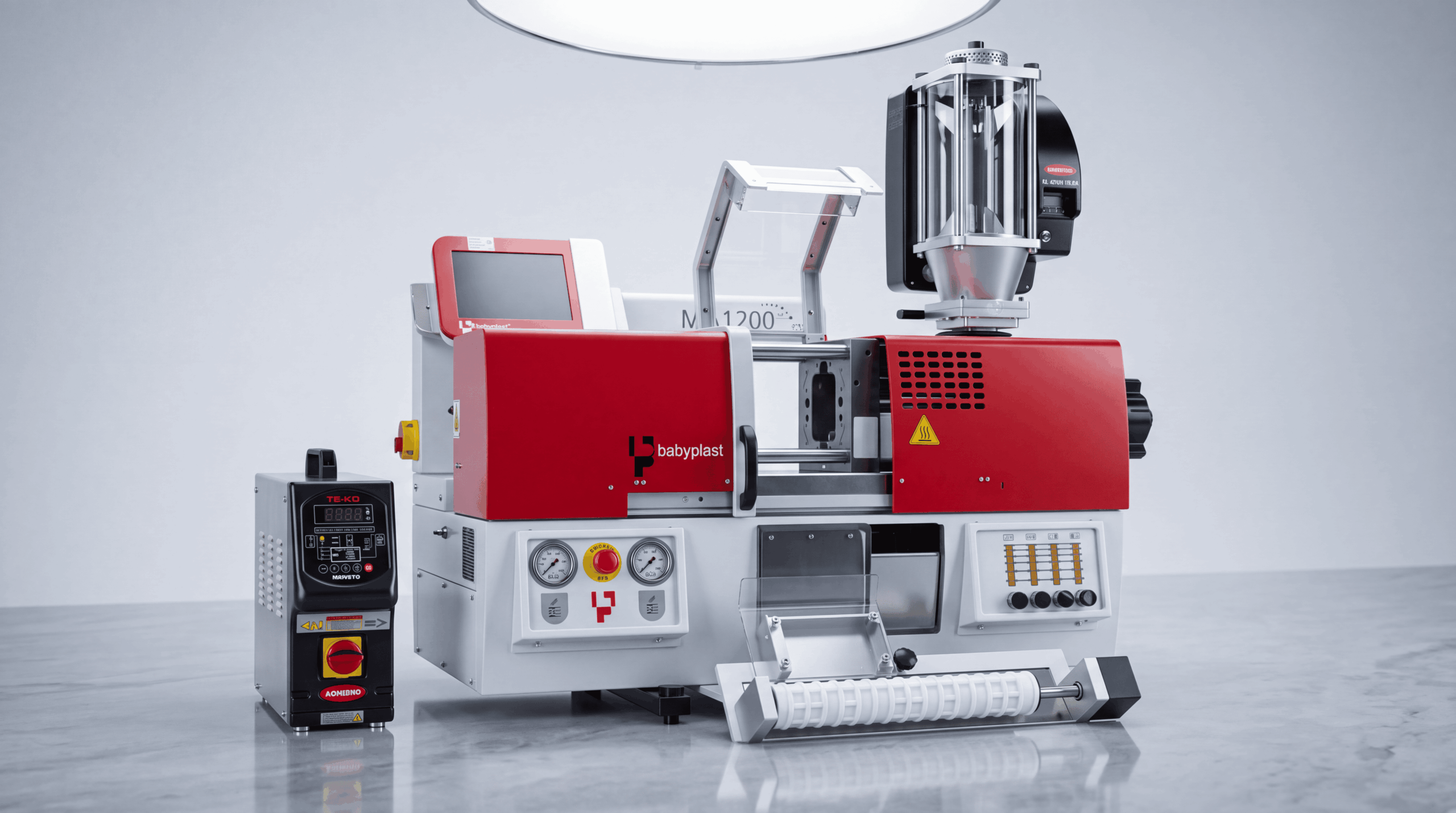
Babyplast UK supports compact micro-moulding systems for prototyping, research and production.
For components moving beyond early design evaluation, micro injection moulding can provide a route towards representative moulded development parts and repeat manufacturing.
A production trial can help determine whether a component is ready to move from an additive prototype to a moulded part.
Explore the industries and applications supported by Babyplast UK to learn more about precision small-part production.